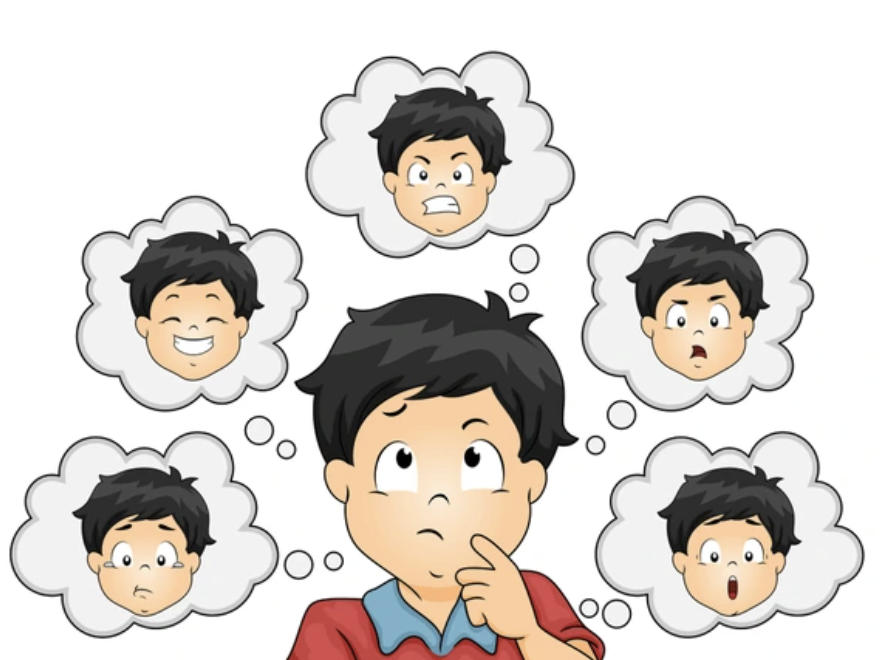
Building Emotional Literacy in Autistic Children
Many autistic children feel emotions intensely but struggle to express them. This blog explains how AutiVerse Academy teaches emotional understanding through visuals, sensory tools, and gentle modeling.

Why Autistic Children Thrive in Sensory-Friendly Environments
Environment shapes behavior. This article explains what makes a sensory-friendly space and how AutiVerse Academy designs learning rooms that reduce overwhelm and bring out each child’s strengths.

The Role of Co-Regulation in Autism Support
Autistic children often borrow calm from the adults around them. This blog explores the power of co-regulation and how AutiVerse Academy creates relationships built on trust, emotional safety, and patient connection.

Understanding Shutdowns vs. Meltdowns
Autistic children often borrow calm from the adults around them. This blog explores the power of co-regulation and how AutiVerse Academy creates relationships built on trust, emotional safety, and patient connection.
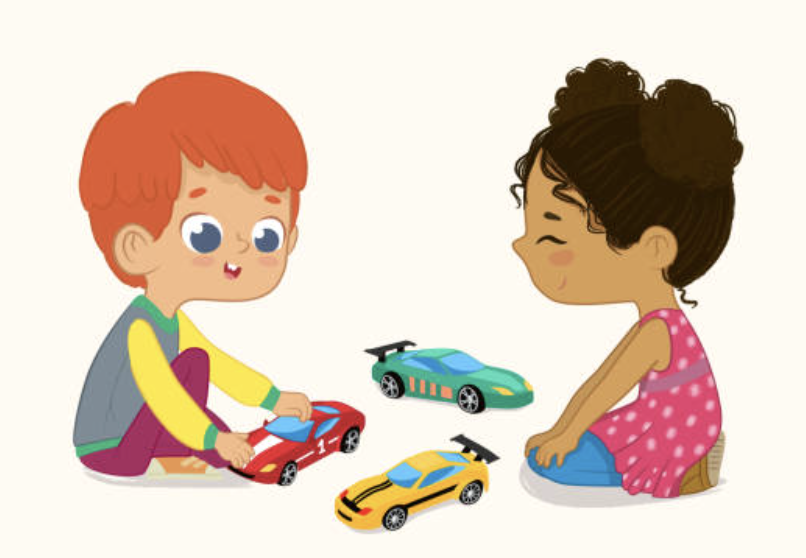
Why Play-Based Learning Works for Autistic Children
Play is not the opposite of learning: it is learning. This article explains why autistic children thrive through play, how sensory and structured play build skills, and how AutiVerse Academy uses play as a pathway to communication and confidence.
Why Sensory Breaks Are Not Optional
Sensory breaks aren’t interruptions: they are essential for emotional regulation. This article explores why breaks matter, what happens when sensory stress builds up, and how AutiVerse Academy integrates purposeful, compassionate sensory pauses into every session.
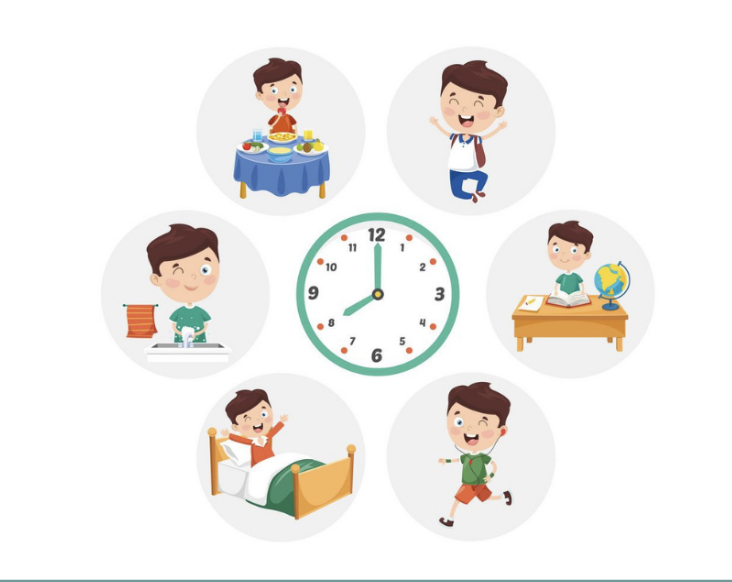
The Importance of Routine for Autistic Children
Consistency isn’t just comforting for autistic children: it’s foundational. Predictable routines help regulate sensory systems, reduce anxiety, and support confident learning. This article explains why routines matter, how disruptions affect children, and how AutiVerse Academy uses stable, child-centered structures to create safety and growth.
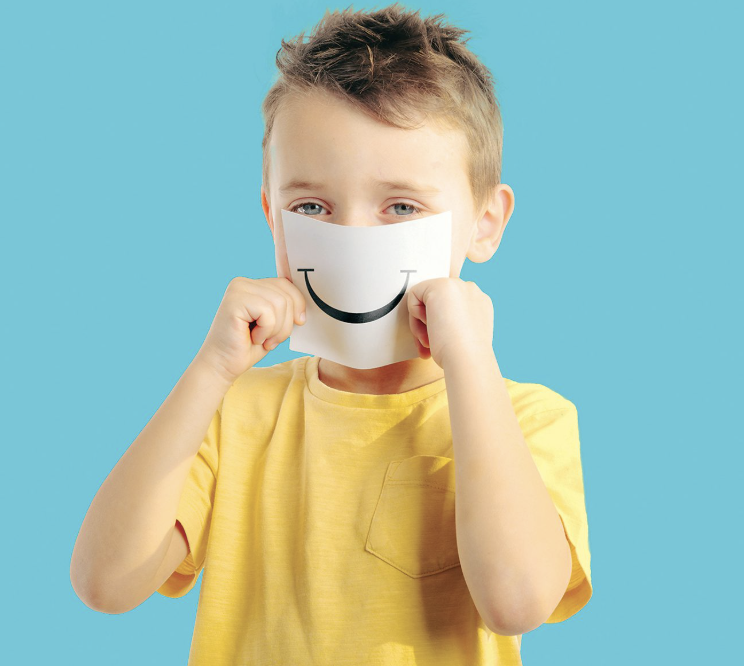
Masking in School: Why It Happens and How It Affects Children
Many autistic children hide their discomfort at school to blend in, but masking comes with emotional exhaustion and long-term stress. This article breaks down what masking looks like, why it happens, and how AutiVerse Academy creates an environment where students can learn without pretending to be someone they’re not.
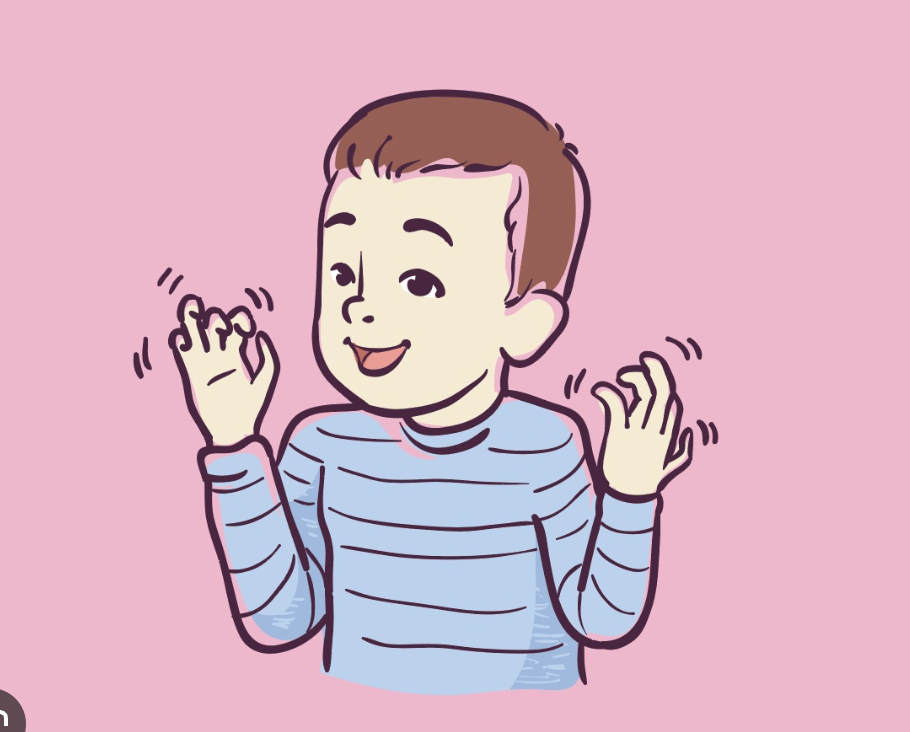
Stimming as Communication: What Children Are Really Telling Us
Stimming isn’t something to “fix”: it’s a child’s way of regulating emotions, expressing overwhelm, or communicating joy. This blog explores why stimming matters, how to interpret it compassionately, and how AutiVerse Academy uses these cues to guide personalized sensory-based learning.
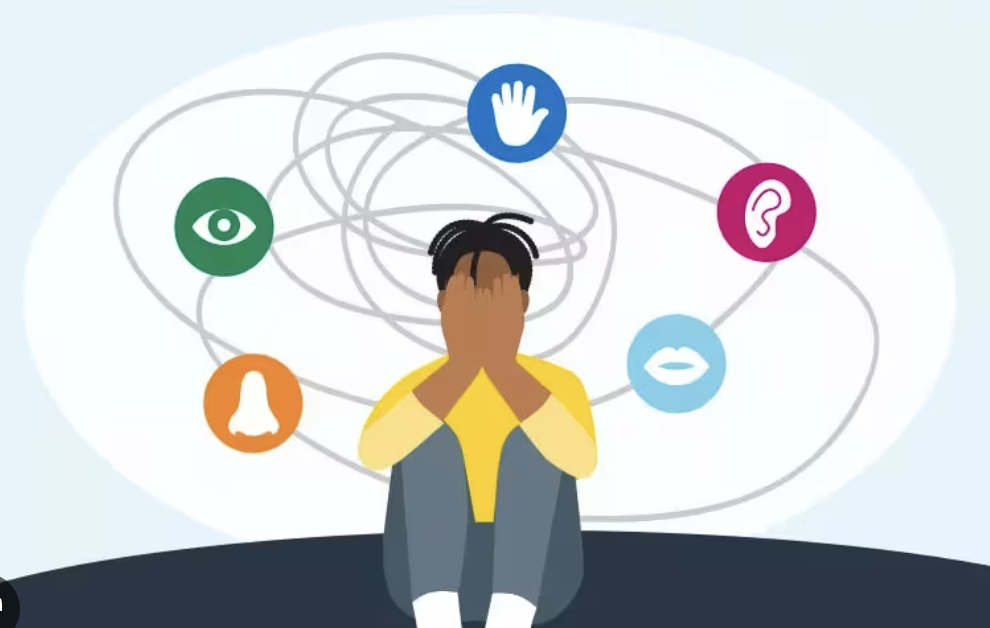
Sensory Overload: Understanding the Hidden Struggle
Sensory overload happens when the world becomes too bright, too loud, or too unpredictable for a child to process. Instead of viewing these reactions as misbehavior, this blog explains what’s really happening in the autistic brain and how AutiVerse Academy uses sensory-friendly techniques to create calmer, safer learning experiences.

The Early Signs of Autism and Why They Matter
Early signs of autism often show up in the little things, a child avoiding eye contact, repeating words, or lining up toys instead of playing pretend. Recognizing these signals isn’t about labeling but about opening doors to support. With sensory-based approaches, we can turn those early signs into pathways for growth and confidence.