The Power of Advocacy: Giving Autistic Children a Voice
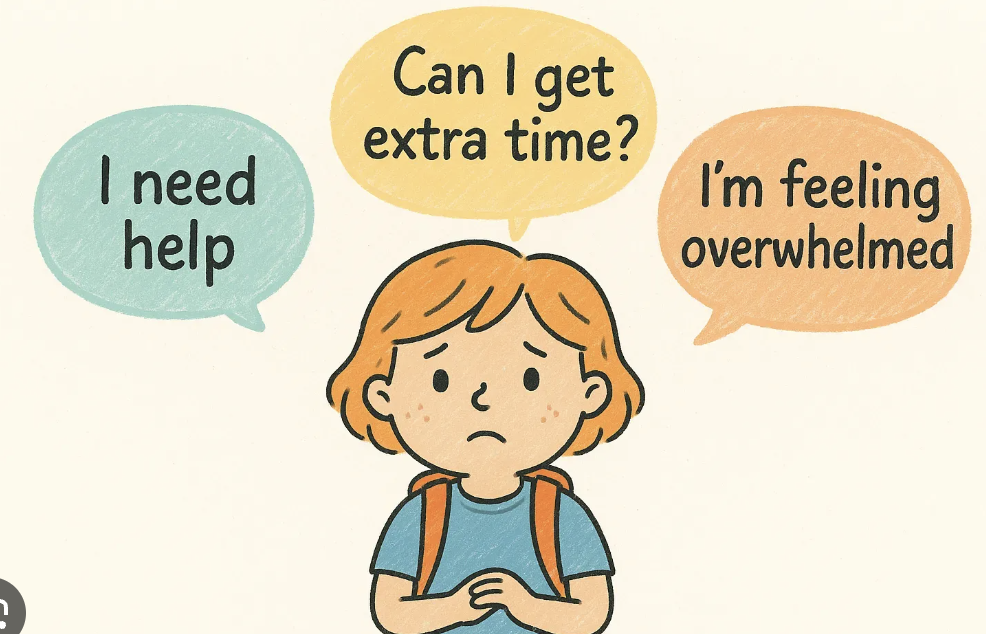
Autistic children have unique perspectives, needs, and strengths: but too often, their voices go unheard. At AutiVerse Academy, advocacy is central to our approach: teaching children to communicate their needs, educating families and communities, and empowering children to be active participants in their lives.

The Role of Visual Thinking in Autistic Learning
Many autistic children think in pictures, processing the world visually rather than verbally. Visual systems help them understand routines, organize information, interpret emotions, and anticipate expectations with less stress and greater clarity. By translating abstract concepts into concrete visuals, children can navigate their environment more confidently and engage more fully in learning and social interactions.
The Importance of Nature-Based Learning
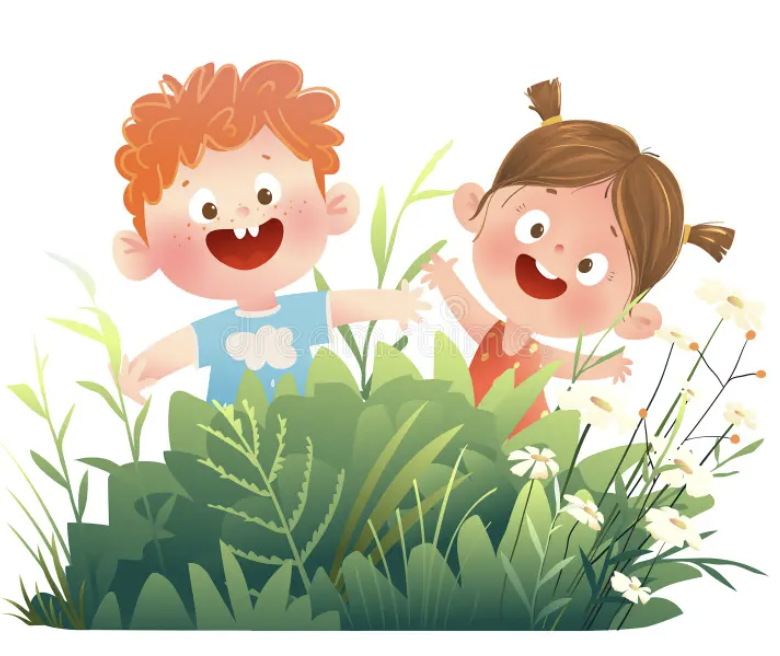
Time outdoors supports focus, emotional regulation, and sensory processing. AutiVerse Academy uses nature-based learning to build curiosity, reduce stress, and foster hands-on exploration. By engaging with plants, animals, and natural textures, children can process sensory input safely while exploring, observing, and connecting with their surroundings.

The Role of Humor in Learning and Connection
Humor isn’t just laughter: it’s a bridge to connection, engagement, and emotional growth. AutiVerse Academy uses predictable, safe humor to support social learning, confidence, and communication in autistic children.

The Power of Storytelling in Development
Stories are more than entertainment: they support language, emotional understanding, and social development. AutiVerse Academy uses storytelling to make lessons engaging, meaningful, and sensory-rich.
Building Independence Through Self-Help Skills
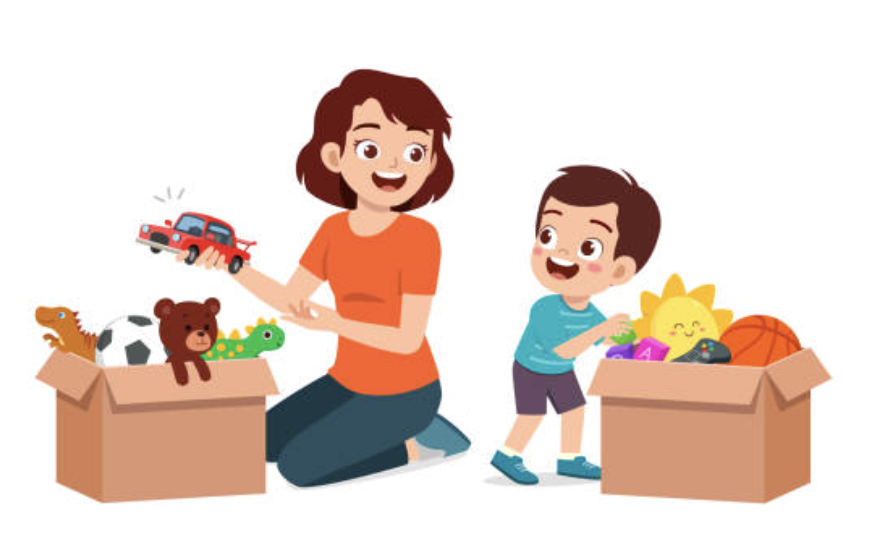
Independence builds confidence, autonomy, and self-efficacy. AutiVerse Academy teaches self-help skills through practical, hands-on routines that empower autistic children to thrive.
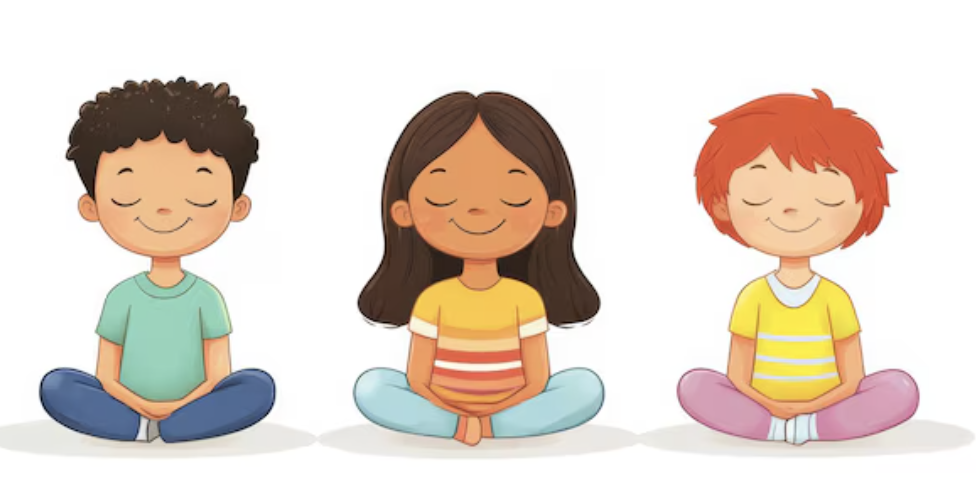
The Importance of Mindfulness and Breathing
Mindfulness teaches self-awareness, emotional regulation, and focus. AutiVerse Academy uses guided mindfulness exercises to help autistic children tune into their bodies, calm their nervous systems, and navigate challenges confidently.
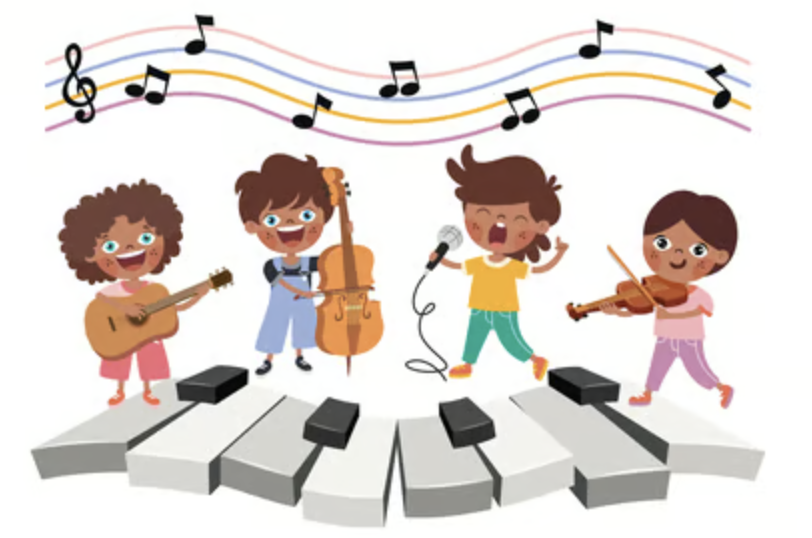
The Role of Music and Rhythm in Learning
Music isn’t just entertainment: it’s a powerful tool for learning, focus, and emotional regulation. At AutiVerse Academy, we integrate rhythm and melody into lessons to help autistic children engage, communicate, and thrive.
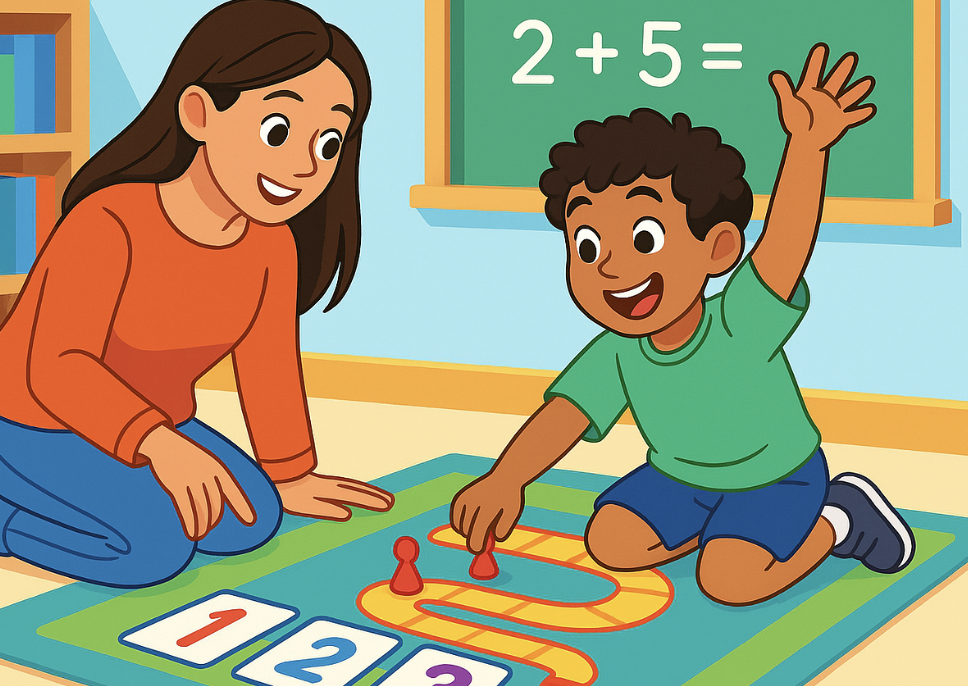
The Value of Slow-Paced Learning
Slow-paced learning isn’t falling behind. It’s learning with depth, safety, and comfort. For autistic children, slower pacing supports regulation, reduces overwhelm, and allows for true mastery of skills at a pace that respects their sensory and cognitive needs.
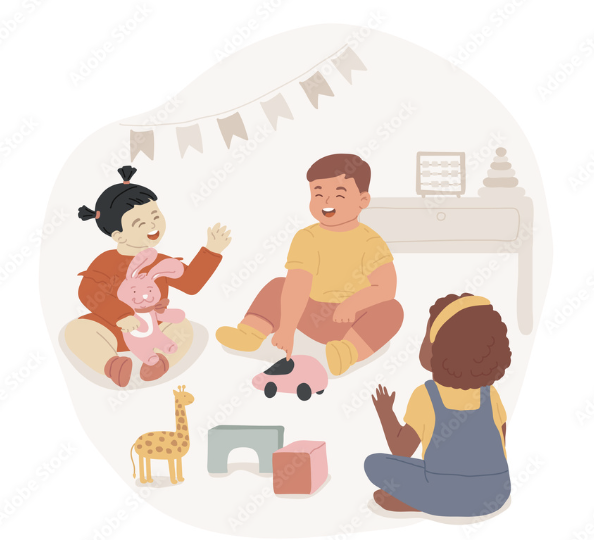
Sensory-Friendly Social Skills Learning
Social learning shouldn’t feel like performance. At AutiVerse Academy, we create sensory-friendly, pressure-free social experiences that honor each child’s communication style. In calm, structured environments, children can practice connecting, expressing themselves, and building relationships confidently and safely.

The Role of Peer Modeling in Social Growth
Autistic children often learn social skills best through gentle exposure, observation, and low-pressure interactions with peers. Peer modeling allows them to watch, imitate, and practice social behaviors at their own pace, building confidence without stress. These experiences help children form authentic connections while respecting their sensory and emotional needs.

The Value of Multi-Sensory Teaching
Multi-sensory learning transforms information into something children can touch, see, hear, feel, and explore. For autistic children, it makes learning meaningful instead of overwhelming.
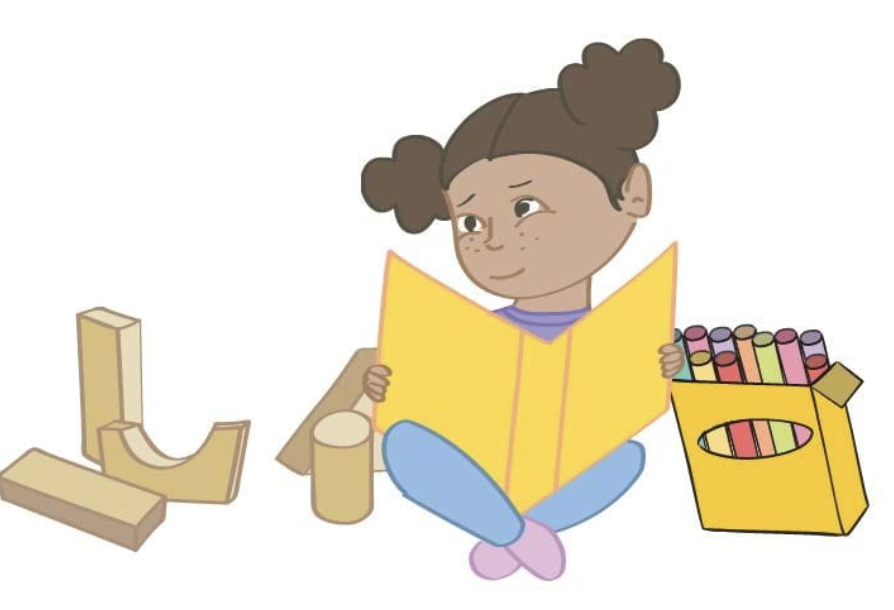
The Meaning of Restorative Quiet Spaces
Quiet spaces are not “timeouts.” They are healing environments where autistic children can regulate, reset, and return to learning with more comfort and confidence.
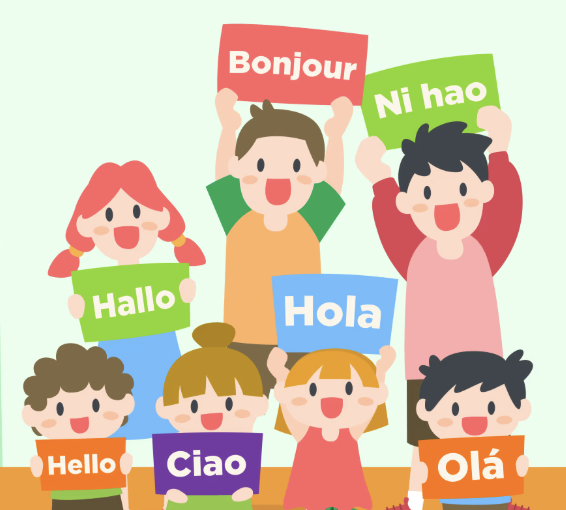
The Power of Predictable Languag
Predictable language creates clarity. It helps autistic children navigate expectations, transitions, and conversations without confusion or anxiety. At AutiVerse Academy, predictable language is an act of respect.

The Role of Movement in Cognitive Growth
Movement isn’t a distraction — it’s a powerful cognitive support. For many autistic children, motion creates calm, focus, and confidence. At AutiVerse Academy, movement isn’t something we “allow.” It’s something we integrate intentionally, respectfully, and joyfully.
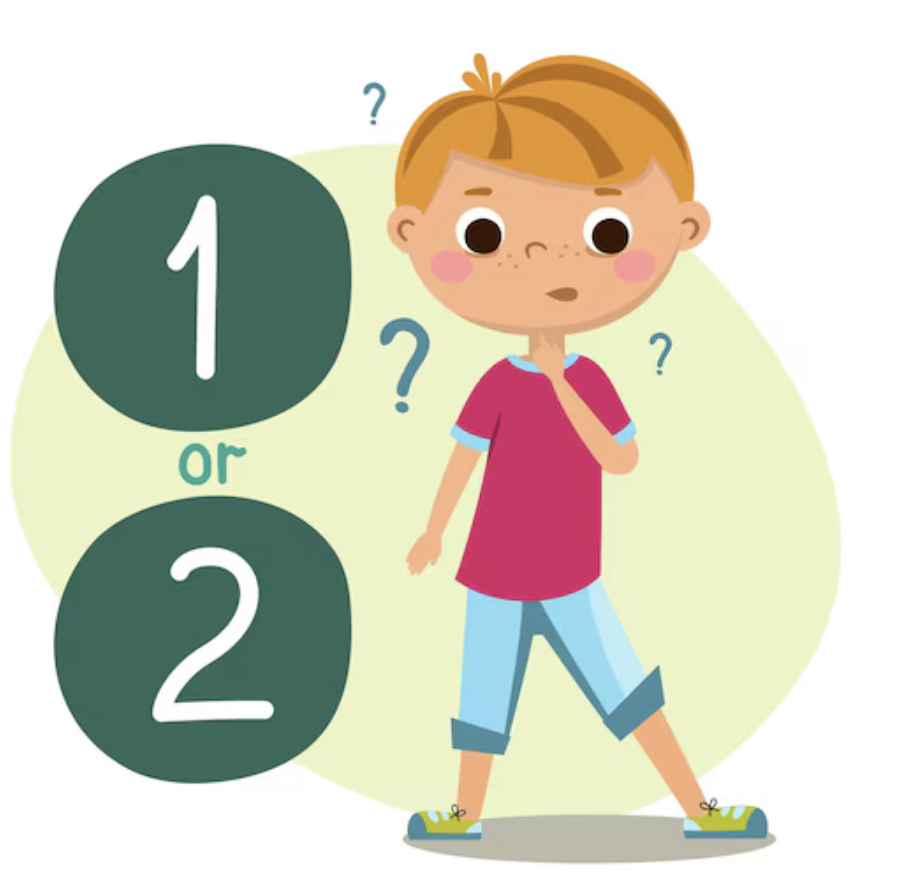
The Importance of Choice-Making in Learning
Choice brings dignity, confidence, and agency. For autistic children, having control over their environment and activities decreases anxiety and boosts engagement. At AutiVerse Academy, choice-making is built into everything we do.
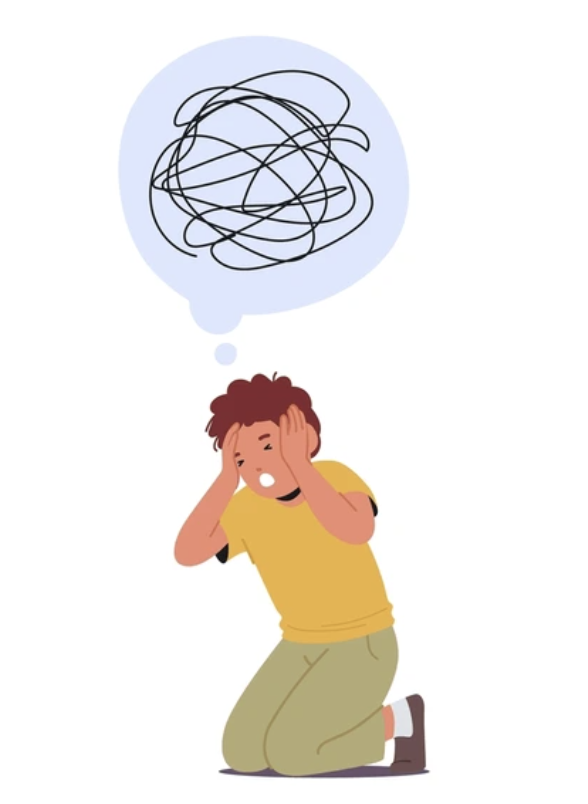
Understanding Emotional Regulation in Neurodivergent Children
Emotional regulation isn’t about stopping big feelings — it’s about giving children the tools, space, and support to process them safely. For autistic and neurodivergent children, regulation is deeply tied to sensory needs, predictability, and trust. When we honor these needs, emotional growth becomes possible.
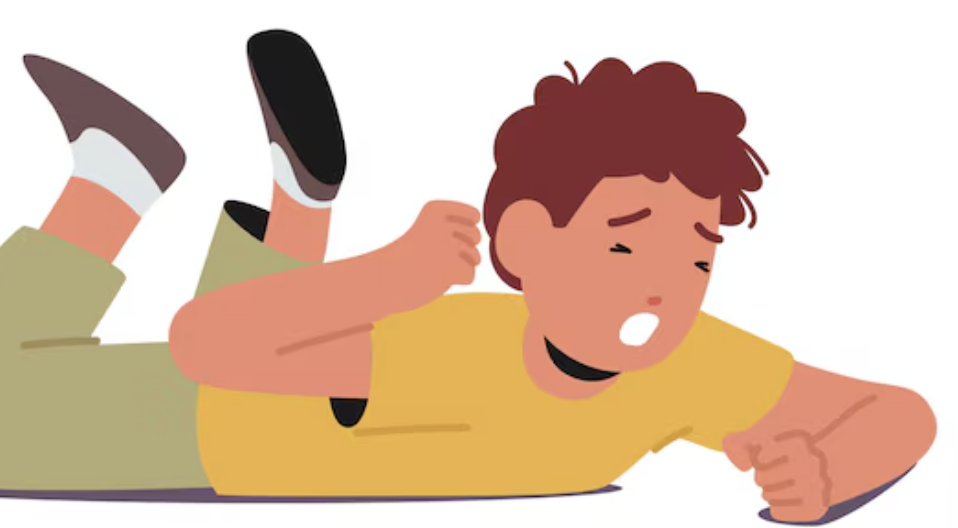
The Role of Co-Regulation in Autism Support
Children don’t learn emotional regulation by being told to “calm down.” They learn it through loving, steady adults who model calm with their voice, body, and presence. This article explains co-regulation, why autistic children rely on it so deeply, and how AutiVerse Academy uses it to help children feel emotionally grounded.
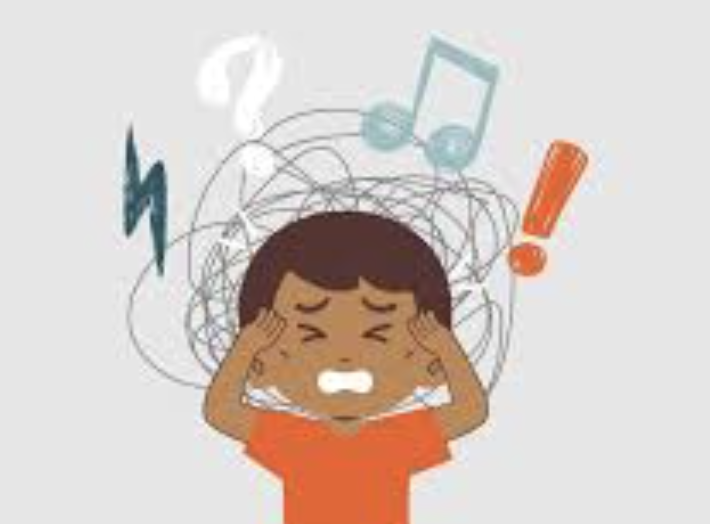
The Hidden Ways Sensory Overload Shows Up in Everyday Life
Sensory overload doesn’t always look like crying, covering ears, or meltdowns. For many autistic children, overwhelm shows up in quiet ways — zoning out, shutting down, or becoming unusually still. This blog explores these subtle signs, why they matter, and how AutiVerse Academy helps children regulate before the overwhelm reaches its breaking point.
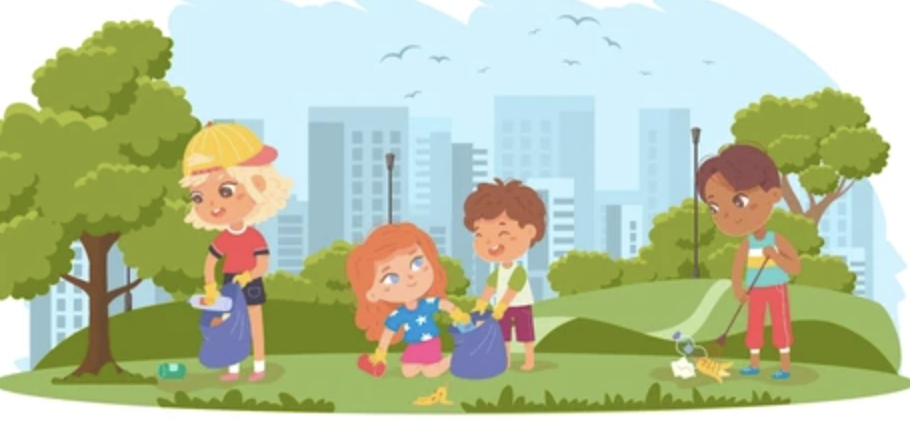
Supporting Autistic Children in Public Spaces
Public places are loud, unpredictable, and overwhelming. This blog explores why they trigger stress and how AutiVerse Academy teaches families strategies that make outings more successful and less stressful.